The Concept
A Community, Not a Curriculum
At Campus da Terra, there is no fixed curriculum and no externally imposed learning path.
Each family chooses the academic approach, materials, and goals that best fit their child — whether that includes formal curricula, interest-led learning, or a combination of both.
What Campus da Terra offers is:
- Shared learning time and space
- Opportunities for collaboration and peer learning
- Access to workshops, excursions, and real-life projects
- A supportive network of families and local partners
Learning grows from children’s curiosity and from the experiences they share with others.
How Learning Happens
Children learn in mixed-age, multilingual groups through:.
- Self-directed activities
- Thematic and project-based work
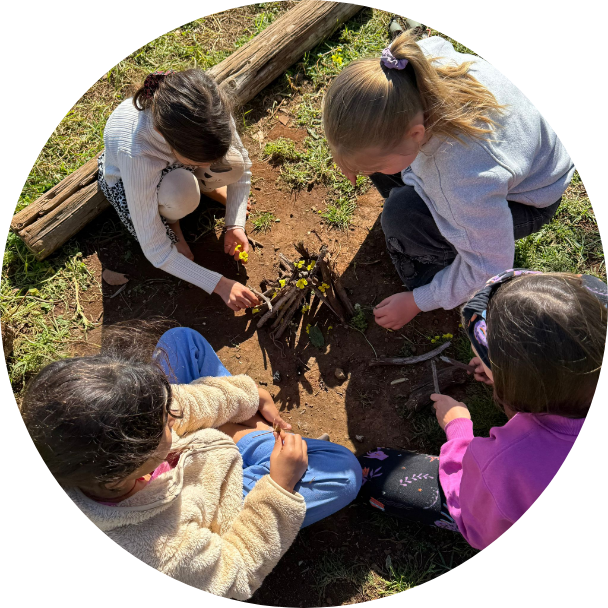
- Hands-on experiences in nature
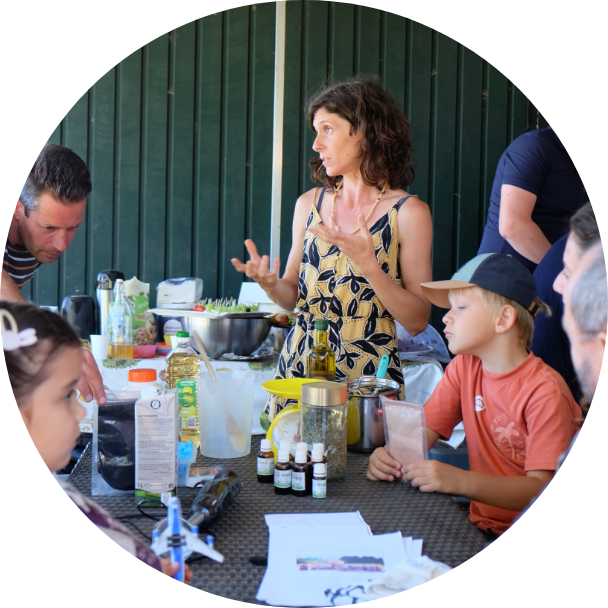
- Workshops led by parents and community partners
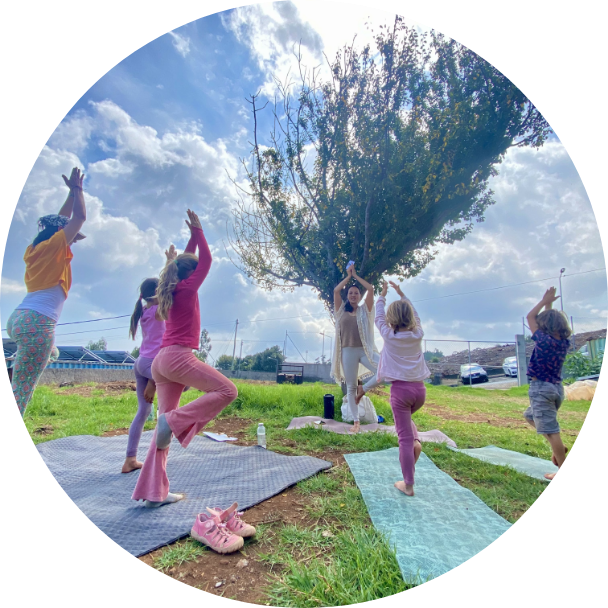
Days follow a natural rhythm, with time for connection, focused individual work, free play, and collaborative projects. Adults observe, support, and participate — guiding without controlling
The Role of Families
Campus da Terra is a parent-led community. Families are not passive users of a service; they are active contributors.
Parents:
- supervise and support daily activities
- share skills, interests, and responsibilities
- help organise workshops, excursions, and routines
- shape how the community evolves over time
Children grow up seeing adults cooperate, solve problems together, and take responsibility — an essential part of learning in itself.
Learning Rooted in Nature and Community
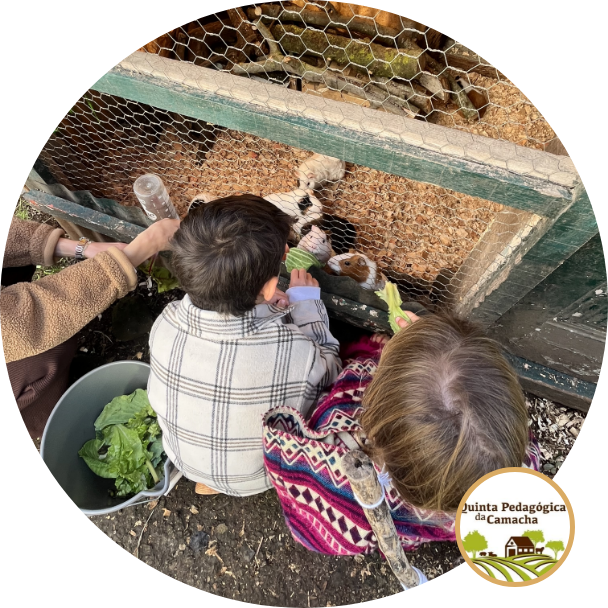
Time outdoors is central to Campus da Terra. Through permaculture, exploration, and practical work, children build a strong relationship with the natural world and learn to care for the land they live on.
Learning also extends beyond the Hub. Through partnerships across Madeira, children encounter a wide range of people, places, and practices — learning from farmers, artists, craftspeople, and one another.
“Enthusiasm is fertilizer for the brain.”
— Gerald Hüther
Our Values

Student-Centered Learning
We prioritize student agency by allowing learners to choose what and how they learn based on their interests and passions. This approach empowers them to take charge of their educational journey and fosters a love of learning.

Autonomy and Responsibility
We encourage students to take ownership of their learning and behavior, promoting independence and self-discipline. This fosters a sense of responsibility, helping them develop the skills necessary to navigate challenges effectively.

Community and Collaboration
We foster a supportive environment where mutual respect and cooperation thrive. By encouraging teamwork and open communication, we cultivate a strong sense of community among students, staff, and families.

Holistic Development
We focus on the comprehensive growth of each student, addressing personal, social, and emotional development. This well-rounded approach prepares students for all aspects of life.

Connection to Nature
We emphasize the importance of nurturing a deep connection to nature, fostering an appreciation for the environment and sustainable practices. By engaging with the natural world, students learn the significance of regeneration and caring for our planet, cultivating a sense of responsibility towards ecological stewardship.

Preparing for the Future
We are committed to equipping students with a love of life-long learning and interpersonal skills to open up future paths and opportunities. This prepares them to thrive in an ever-changing world.